
Sell Bitcoin for Naira Bank Transfer: A Safe P2P Plan
To sell Bitcoin for naira, match with a buyer who pays by Nigerian bank transfer and release escrow only after checking your account. Here’s how to compare offers, understand fees, and handle payment problems.
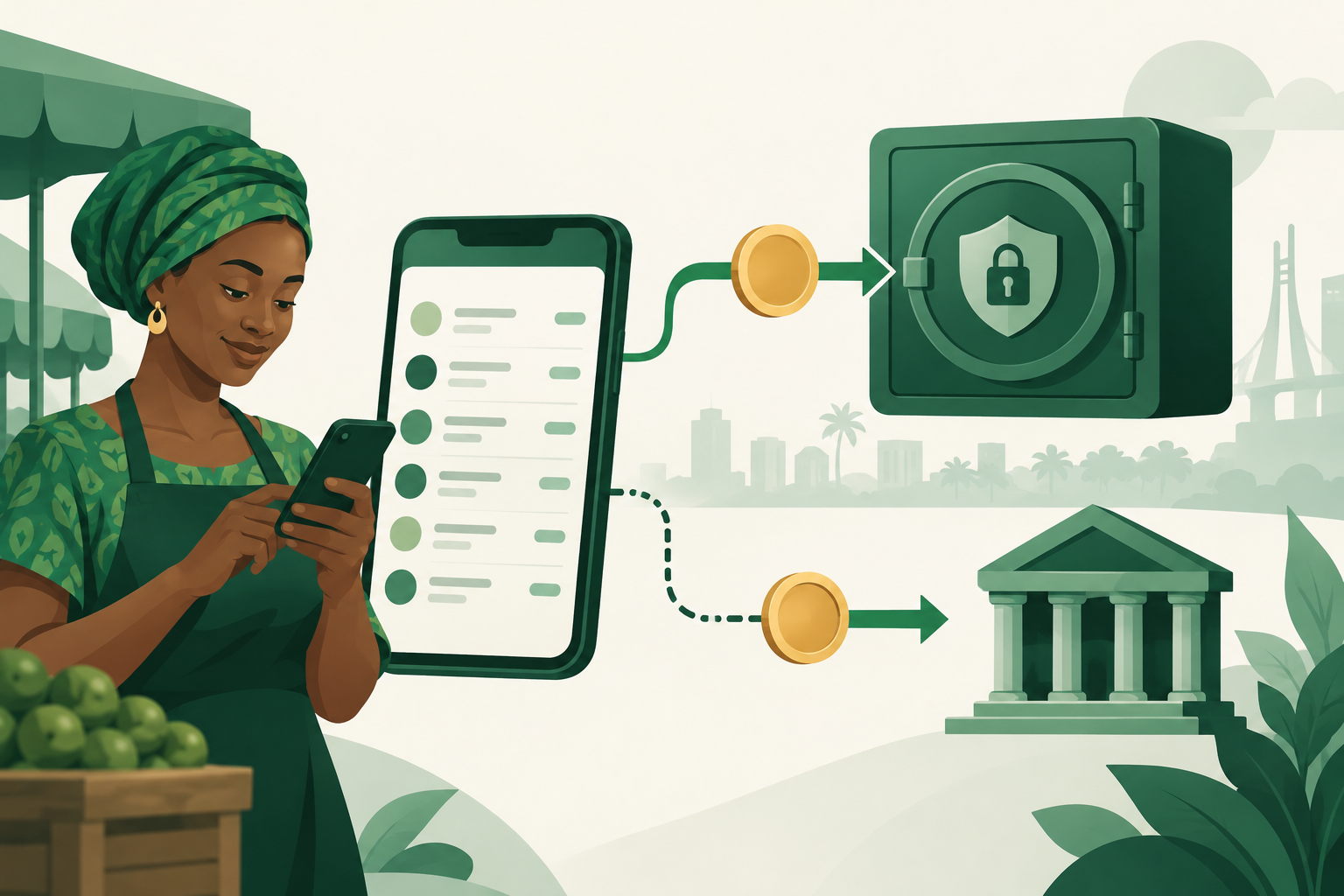
You can sell bitcoin for naira bank transfer through a peer-to-peer marketplace: choose a buyer offering NGN bank payments, put your Bitcoin into escrow, and release it only after confirming the agreed naira payment in your own bank account. On VouchEx, every trade uses escrow, but you still need to check current offer availability, understand the fees, and verify the payment yourself—not rely on a buyer’s receipt.
For a Nigerian seller, the important question is not simply which buyer advertises the highest rate. It is which offer gives you a clear net return, workable payment terms, and a payment you can independently verify.
Understand what you are selling—and receiving
In this trade, you are selling BTC and receiving Nigerian naira through your bank. The buyer sends the naira; the marketplace holds the seller’s crypto in escrow until the seller confirms receipt.
VouchEx is a peer-to-peer marketplace for Bitcoin and USDT on TRC-20. For this transaction, select Bitcoin, not USDT, and look for offers where someone wants to buy your BTC using NGN bank transfer.
Check the marketplace for suitable offers. Support for many local currencies and payment methods does not guarantee that a matching buyer is available when you need one.
Before starting, confirm that:
- The offer is for buying your Bitcoin, not selling Bitcoin to you.
- The payment currency is NGN.
- The payment method is bank transfer.
- Your intended sale fits the offer’s minimum and maximum limits.
- The payment instructions are clear and acceptable to you.
A price is useful only if you can actually complete the trade on those terms.
Compare the net outcome, not just the advertised rate
Two offers can show different BTC-to-naira rates while leaving you with a less obvious difference after costs. Compare them using the same BTC amount and check the final trade details before committing.
Know which VouchEx fees apply
VouchEx charges 1% to the seller and 1% to the buyer per completed trade. As the seller, account for your own fee. Do not assume you also owe the buyer’s fee separately.
Other published fees are:
- Deposits: free.
- Bitcoin withdrawals: $5, charged in BTC.
- USDT withdrawals: $2.
A Bitcoin withdrawal fee is not the same as a fee for receiving naira in your bank. It matters if you withdraw BTC from the platform. Likewise, the USDT withdrawal fee is not relevant to a straightforward BTC-to-NGN sale.
Free deposits also do not mean sending Bitcoin from another wallet is necessarily free. The sending wallet or service may charge a network or withdrawal fee.
Check how the seller fee affects the crypto required and the amount sold in your trade summary. Avoid subtracting it twice when comparing offers.
Use a simple comparison checklist
For each offer, write down:
- The total BTC required, including any separately displayed seller fee.
- The agreed naira payment.
- Any external cost of moving BTC onto the marketplace.
- Payment conditions that could make completion difficult.
If the fee treatment is unclear, ask before starting. A slightly better headline price is not worth ambiguous payment terms or pressure to accept money from an unexplained source.
Step by step: sell BTC for a Nigerian bank transfer
Step 1: Prepare your account and bank access
If you are new, create a VouchEx account. Enable the optional authenticator-app two-factor authentication, which protects withdrawals and releases.
Use a bank account you control and can check independently. Make sure your banking app or other official account-access channel is working before you lock crypto into a trade.
Check your bank’s current terms and any applicable requirements for your activity. Do not assume marketplace access means every bank permits every type of transaction.
Step 2: Choose a buyer and read all terms
Read the offer before accepting it. Establish the exact NGN amount, the receiving account details, and whether the buyer will send payment from an account in their own name.
Treat unexpected third-party payments as a reason to stop and investigate. A verified badge indicates ID verification on VouchEx; it does not establish that every transfer associated with that person is safe.
If no existing offer suits you, anyone can post a buy or sell offer for free, with no merchant deposit. Posting an offer does not guarantee a match.
Step 3: Fund the Bitcoin sale carefully
If you need to deposit BTC, follow the platform’s Bitcoin deposit instructions and check the destination address carefully. Do not send Bitcoin to a USDT TRC-20 address.
Allow for the transfer to become available before relying on it for a sale. Avoid promising a buyer an immediate trade while your funds are still arriving.
Review the amount and terms again before proceeding.
Step 4: Confirm escrow before expecting payment
Every VouchEx trade is protected by escrow: the seller’s crypto is locked until they confirm receipt of payment.
Confirm that the trade is active and your BTC is held in escrow. Keep relevant payment arrangements and explanations in the trade conversation so there is a clear record if a disagreement develops.
Escrow holds the crypto. It does not log into your Nigerian bank account or independently decide whether the buyer’s receipt is genuine.
Step 5: Let the buyer pay, then check your bank
Buyers have a 15-minute payment window. That window is for payment; it is not a reason for you to release BTC without checking receipt.
Open your banking app yourself, rather than using a link supplied by the buyer. Confirm:
- An incoming credit appears in your account history.
- The credited amount matches the agreed NGN amount.
- The money is available, not merely pending.
- The sender details are consistent with the payment arrangement.
- Multiple credits, if any, do not create unexplained gaps or discrepancies.
A screenshot, SMS alert, email, or “successful transfer” page on the buyer’s phone is not a substitute for checking your account.
Step 6: Release only after resolving discrepancies
If the payment is complete and consistent with the agreed terms, confirm receipt and release the Bitcoin.
If it is missing, short, pending, or from an unexpected sender, do not release just to finish quickly. Ask for clarification in the trade conversation and preserve the evidence.
Keep the trade record and bank transaction details after completion. Verifying a credit reduces risk, but it cannot guarantee that a bank will never investigate or restrict a payment later.
What to do when the bank payment goes wrong
The buyer says they paid, but nothing appears
Check your account through an official bank channel. Ask for the transaction reference and compare the beneficiary details with the account you supplied.
Do not release against a promise that the transfer will arrive later. Equally, do not assume a delay automatically proves dishonesty. Keep the issue documented and follow platform guidance rather than improvising an off-platform settlement.
The amount or sender does not match
A short payment is not full payment. An unexpected sender also needs explanation, even if the amount is correct.
Do not let overpayment become a reason to send a separate refund to an unrelated account. Avoid moving disputed funds elsewhere until you have sought appropriate guidance from the platform and, where necessary, your bank.
Never disguise the purpose of a transfer or follow instructions designed to bypass a bank’s controls.
You need a dispute
On VouchEx, disputes can be opened 3 hours after a trade starts. The opener pays 1% of the trade, and moderators aim to resolve disputes within 2 hours. That is a resolution aim, not a guarantee.
The payment window and dispute eligibility are different milestones. Do not assume a dispute becomes available as soon as the buyer’s payment window ends.
Use the help centre for guidance. Preserve the trade terms, messages, payment reference, and relevant bank evidence. Share sensitive evidence only through official support channels, and never provide your banking password, PIN, or one-time codes.
FAQ
Can I sell Bitcoin directly for naira without converting to USDT?
Yes, if a suitable buyer offers NGN bank transfer for Bitcoin. You do not need an intermediate USDT conversion for that trade. Check current offers rather than assuming availability or a particular rate.
How much does VouchEx charge a Bitcoin seller?
The seller pays 1% per completed trade. The buyer separately pays 1%. Deposits are free, while withdrawing Bitcoin costs $5 in BTC. External wallet or service charges may also apply when funding your account.
Is a Nigerian bank transfer receipt enough to release Bitcoin?
No. Check the incoming credit in your own bank account, confirm the full amount is available, and investigate any sender mismatch. A receipt shows what someone claims to have sent; your account records show what you received.
What if my banking app is unavailable during the trade?
Do not release while you cannot verify payment. Try another official bank-access channel, communicate the problem in the trade conversation, and seek platform guidance if needed. Avoid starting a sale when you already know you cannot check your account.
How long does selling Bitcoin for naira take?
There is no guaranteed total completion time. Finding a suitable buyer, funding your account, and verifying the bank payment can all affect it. VouchEx buyers have a 15-minute payment window, but you should never treat that as a guaranteed time to receive verified funds.
Start Trading on VouchEx with 0% Listing Fees
Explore the open P2P software protocol.