
p2p crypto with no kyc risks: A Practical Safety Guide
Trading without identity verification does not make a P2P transaction anonymous or risk-free. Learn how to assess payment risks, protect your information, and check what happens if a trade goes wrong.
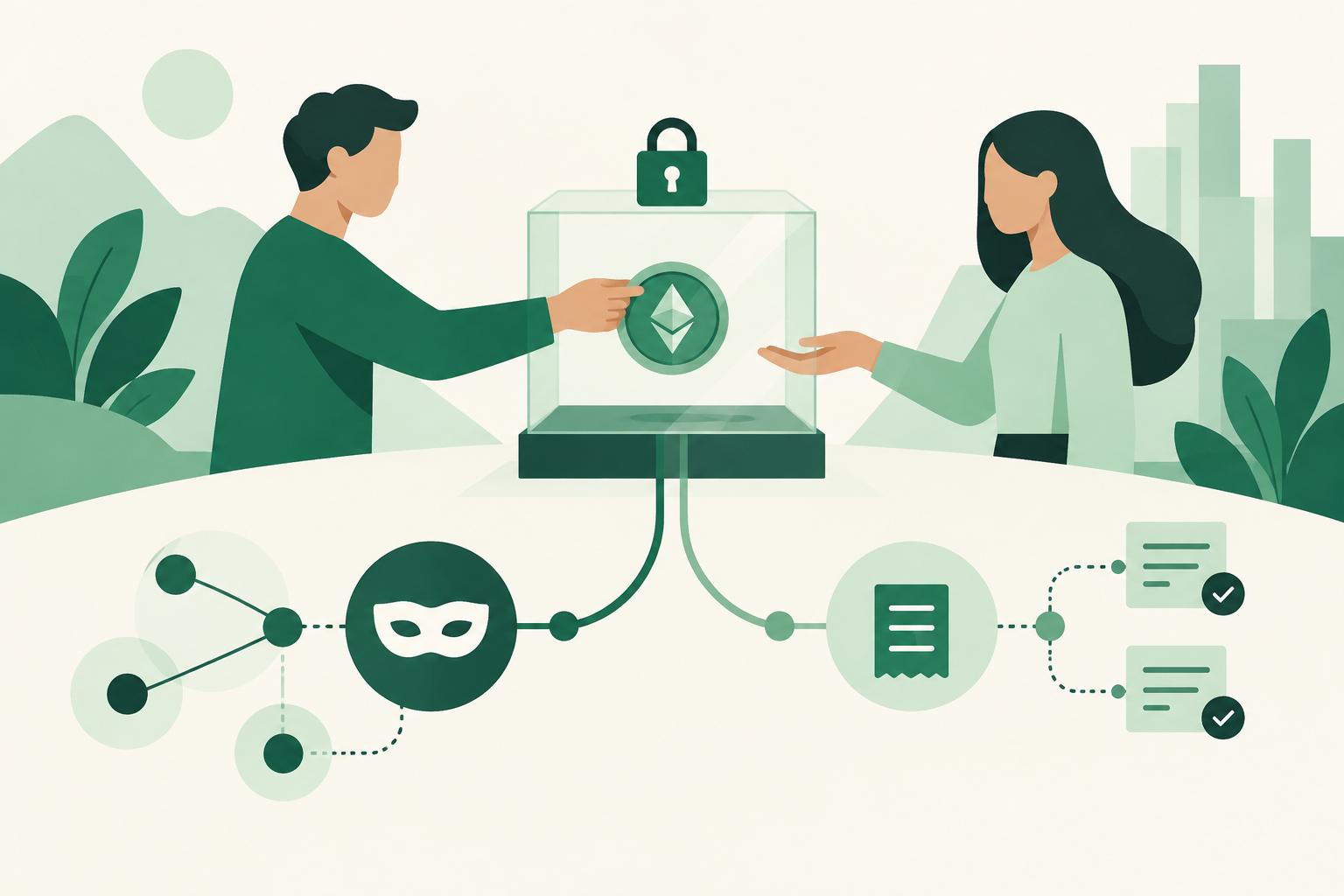
The main P2P crypto with no KYC risks are counterparty fraud, reversible or unauthorized payments, account restrictions, privacy leaks, and limited options for recovering funds. Skipping identity verification does not make a trade anonymous, and escrow does not guarantee that a bank payment is legitimate or irreversible. A safer approach is to check the platform’s rules, understand your payment method, and plan for a failed trade before sending money.
Wanting to share less personal information is reasonable. The key is distinguishing privacy from missing safeguards—and knowing which risks remain even when a marketplace holds the crypto in escrow.
What “no KYC” does—and does not—mean
Know Your Customer, or KYC, generally refers to checks used to establish a customer’s identity. In crypto, this often involves identity documents and sometimes additional information.
“No KYC” is not a standardized promise. Depending on the service, it might mean no document upload at registration, limited access without verification, or different requirements for particular activities. Do not assume it covers trading, withdrawals, and dispute resolution equally.
Before depositing, establish:
- Whether verification is required to trade or withdraw.
- Whether requirements depend on location, activity, or payment method.
- What happens to funds if you cannot complete a requested check.
- Whether the policy is documented, rather than only advertised by a trader.
VouchEx uses ID verification for verified badges. That fact alone does not establish a blanket no-KYC policy for every account or activity. Check current requirements through VouchEx help before relying on assumptions about access.
No KYC is not the same as anonymity
Your bank, payment provider, or counterparty may still see identifying information. A transfer can disclose your name, account details, phone number, or payment handle.
Bitcoin and USDT on TRC-20 also use public blockchains. Transactions are publicly visible, and addresses can sometimes be linked to identities through other records. Avoiding an ID upload does not erase those connections.
The risks that matter most
1. A payment can arrive without being safe to accept
A screenshot or message saying “paid” is not proof of receipt. Even an incoming payment may be unauthorized or subject to reversal, investigation, or a dispute under the provider’s rules.
For example, a seller might receive money from an account controlled by someone other than the buyer. If that account was compromised, releasing crypto can leave the seller exposed when the legitimate owner reports the transfer.
Check the payment in your own account. Compare available payer information with the agreed terms, and pause if the buyer introduces an unexpected third-party payer. An explanation in chat is not proof of authorization.
2. Payment providers can restrict activity
A marketplace allowing a payment method does not mean its provider permits every crypto-related transaction. Banks and payment services have their own terms, monitoring systems, and processes for reviewing transfers.
Depending on the provider and circumstances, a transaction may be delayed, questioned, or restricted. Review the applicable rules before trading. Do not disguise the purpose of a payment or follow instructions to enter misleading information.
3. Weak identity signals make assessment harder
A low-friction account can be convenient for legitimate users, but it may give you less information for assessing an unfamiliar counterparty.
Where available, examine trading history, completed transactions, feedback, verification status, and whether the offer terms are consistent. No single signal proves honesty. A verified badge is useful context, not insurance against fraud.
Pressure is another signal: someone demanding an immediate release, a different recipient account, or an off-platform conversation is asking you to weaken your safeguards.
4. Privacy can be lost during the trade itself
You might avoid submitting ID to a marketplace, then send a stranger a complete bank statement in chat. That can reveal more information than the transaction requires.
Share only necessary payment details through appropriate channels. For evidence, preserve original records and follow official instructions; redact unrelated information where permitted. Never share passwords, authenticator codes, private keys, or wallet recovery phrases.
If someone requests documents, verify whether the request comes from official support or merely from the counterparty. Stop if you cannot establish a legitimate reason and secure submission method.
5. Rules still apply without verification
No-KYC trading is not an exemption from local laws, taxes, sanctions restrictions, or payment-provider terms. Requirements vary by jurisdiction and activity; operating a trading business can raise different obligations from an occasional personal purchase.
Keep accurate transaction records. If you cannot determine whether your intended activity is permitted, seek qualified local advice rather than relying on a trader’s assurance.
What escrow protects—and what it cannot
Escrow addresses a specific problem: the seller should not be able to withdraw the promised crypto while the buyer is making the agreed payment.
On VouchEx, every trade is protected by escrow: the seller’s crypto is locked until they confirm they received payment. This is an important transaction safeguard, but it does not authenticate the external payment or prevent a later payment-provider action.
Think of the protection in three parts:
- Crypto custody: Is the seller’s crypto locked for this trade?
- Payment verification: Has the correct payment actually arrived, and are there warning signs?
- Dispute evidence: Can you demonstrate what was agreed and what happened?
Escrow supports the first part. Careful payment checks and clear records remain essential for the others. Do not assume a marketplace dispute can force a bank to reverse its own decision.
A practical step-by-step plan before trading
Step 1: Confirm eligibility and withdrawal requirements
Read the platform’s current rules before depositing. Check supported locations, verification requirements, withdrawal conditions, and the process for restricted accounts.
If a requirement is unclear, ask support first. Testing the deposit process alone will not tell you whether you can later withdraw.
Step 2: Choose the payment method before choosing the price
Select a method you understand and are authorized to use. Check reversal rules, transfer timing, recipient details, and whether the provider permits the intended transaction.
VouchEx supports hundreds of payment methods across many local currencies, including UPI, IMPS, bank transfer, PayPal, mobile money, and gift cards. Availability is not a claim that these methods have equal risk. Gift cards, for example, introduce questions about ownership, validity, and redemption evidence.
Step 3: Read the full offer and calculate the cost
Compare the quoted crypto amount, payment amount, trade fees, withdrawal fee, and any external payment costs. An attractive headline rate can hide an unfavorable overall deal.
VouchEx charges the buyer and seller 1% each per completed trade. Deposits are free. Withdrawal fees are $2 for USDT and $5, charged in BTC, for Bitcoin.
When reviewing marketplace offers, reject terms that require misleading payment information or moving the deal outside the platform.
Step 4: Secure the account and check the destination
Use a unique password and enable two-factor authentication where available. VouchEx offers optional authenticator-app 2FA for withdrawals and releases.
For withdrawals, confirm the asset, network, and destination address. VouchEx supports USDT on TRC-20 and Bitcoin; a destination accepting USDT on another network is not automatically compatible. A small test transfer can reduce address or network mistakes, though fees still apply.
Step 5: Begin with limited exposure
Choose an initial amount you can afford to have delayed or disputed. A successful small transaction tests the process; it does not prove that the counterparty will be trustworthy on a larger trade.
Before paying, verify that the trade is active and escrow protection is in place. Keep terms and communication within the platform’s trade process.
Step 6: Respect deadlines without rushing verification
VouchEx buyers have a 15-minute payment window. Have your payment method ready before starting, and do not indicate that payment was sent when it was not.
If a transfer is delayed or the instructions change, use official guidance rather than improvising another payment. Sellers should verify receipt directly in their own payment account before confirming release—not rely on notifications, screenshots, or pressure.
Step 7: Preserve evidence and understand the dispute gap
Save the offer terms, trade identifier, relevant messages, payment reference, and receipt showing the amount and recipient.
On VouchEx, disputes can be opened 3 hours after a trade starts. The opener pays 1% of the trade, and moderators aim to resolve disputes within 2 hours. That resolution target is not a guarantee.
The payment window and dispute-opening time serve different purposes. A problem during the payment window does not mean a formal dispute can open immediately. Preserve evidence, seek official help, and avoid duplicate payments or unsupported release requests while waiting.
When walking away is the safer choice
Do not proceed when the counterparty asks you to:
- Release crypto before you can verify payment.
- Pay a different person without a clear, acceptable explanation.
- Send an extra “unlock” payment outside the agreed trade.
- Share security codes or install remote-access software.
- Mislead a bank or payment provider.
Privacy preferences should not override clear warning signs. Browse the terms, understand the exposure, and use the sign-up page only when the service fits your requirements—not because an offer promises effortless anonymity.
FAQ
Is P2P crypto without KYC anonymous?
No. Your payment provider and counterparty may receive identifying details, while blockchain transactions remain public. Less document collection does not necessarily mean less traceability.
Does escrow remove no-KYC trading risks?
No. Escrow protects the crypto during the trade, but it does not eliminate unauthorized payments, reversals, account restrictions, or privacy leaks. You still need payment checks and reliable evidence.
Does VouchEx guarantee trading without ID verification?
The stated VouchEx facts confirm ID verification for verified badges, not a universal no-KYC guarantee. Confirm current trading and withdrawal requirements before depositing funds.
Which payment method is safest?
There is no universal answer. Compare authorization, reversal rules, transfer timing, available evidence, and provider terms. Prefer a method you understand over one selected only for its price or convenience.
What should I do if verification is requested unexpectedly?
Pause further deposits and verify the request through official support. Ask what information is required, how it will be handled, and what options exist for your funds. Do not use another person’s identity or attempt to bypass the restriction.
Start Trading on VouchEx with 0% Listing Fees
Explore the open P2P software protocol.